I spent a month at a summer school in China
I’ve just got home from a month at Huazhong University of Science and Technology’s AI and robotics summer school in Wuhan. It was my first time in China, and the first year Birmingham has sent students: about 80 of us, from 13 universities around the world.
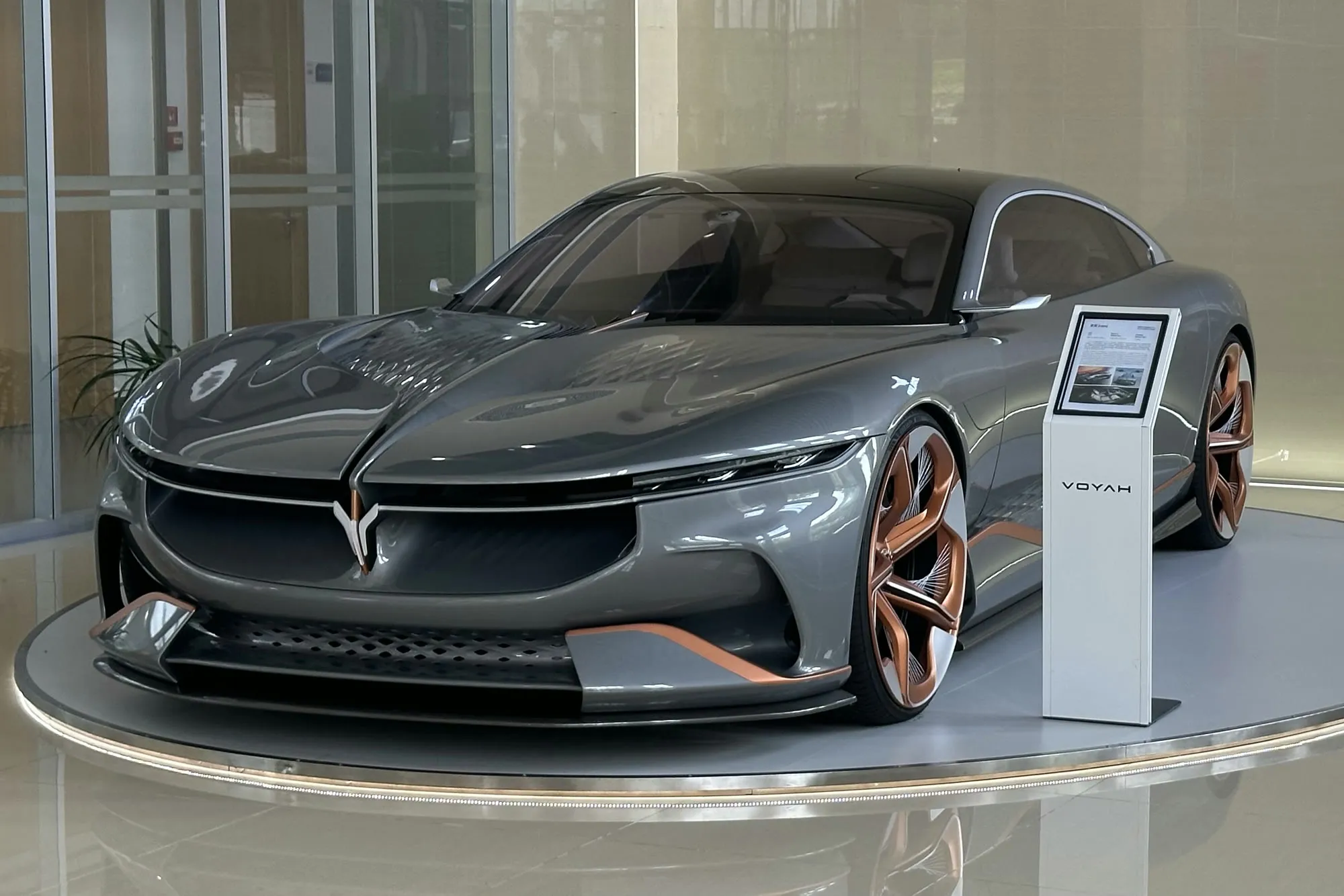
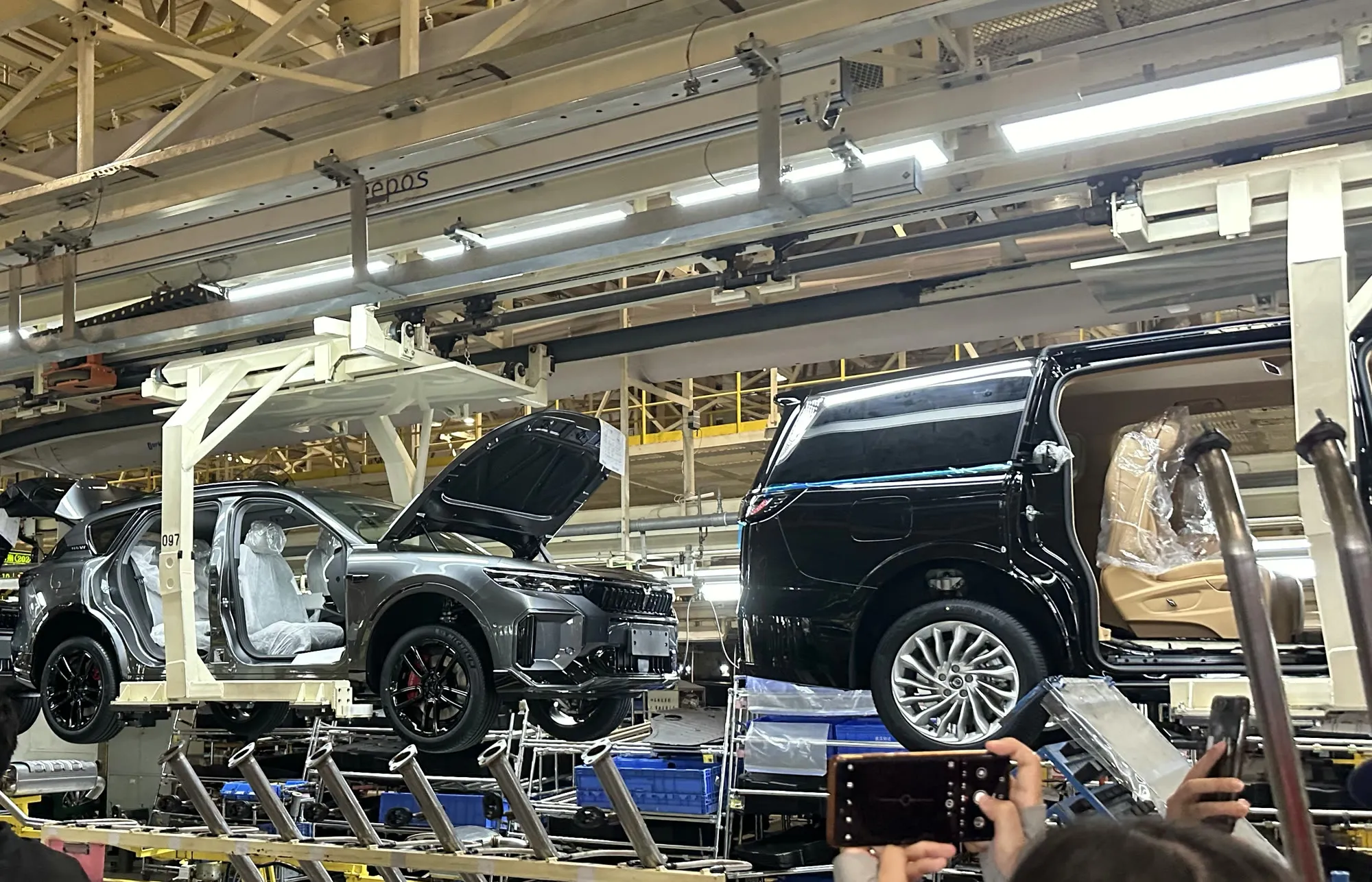
The mornings were lectures on AI and robotics research. The one that stuck with me was on swarm intelligence, and how much technology comes from copying ordinary things in nature. The afternoons were Chinese culture classes, from calligraphy to fan making and tea tasting, or visits to factories and national labs. At VOYAH we walked through their car factory, and at HGTech, a laser company that started at the university, one of their production lines. I asked so many questions on one long production line tour that they gave me a small gift at the end.
The project
From the start we were split into six groups, each named after a zodiac animal🐂🐐🐅🐉🐎🐇 and for the last two weeks, each had its own project in a lab every other day. Some groups built robots, some programmed race cars. Ours, the Rabbit group 🐇, got the least exciting one: cleaning and analysing a dataset of babies’ heart scans from before birth, to find the main signs that something was wrong.
I was one of only two computer science students in a group of 20; everyone else came from chemical engineering, physics or aerospace. Having just finished a year full of AI modules, the two of us ended up leading it, starting with getting everyone set up with Python, pandas, Matplotlib and scikit-learn.
Thursday was our day off, so we spent it making the slides and rehearsing, and on Friday morning we presented. The panel of professors had been relaxed with every group before us, asking where they could see their robots and cars being used. Then it was our turn, and they switched: hard, technical questions, one after another. It caught all of us off guard. We still came out with the highest score.
China
I was wary of going, mostly because of what people told me. I’m so glad I went.
It started at Beijing Capital airport. We couldn’t work out how to pay at a vending machine, and someone walked up, paid with their face, and the machine showed them the way to their gate. Everything is like that: connected, easy, and enormous. Almost everything runs through Alipay and WeChat, and both worked for me from day one. Wuhan isn’t even one of China’s biggest cities, and its buildings are double or triple the biggest I’d seen before.
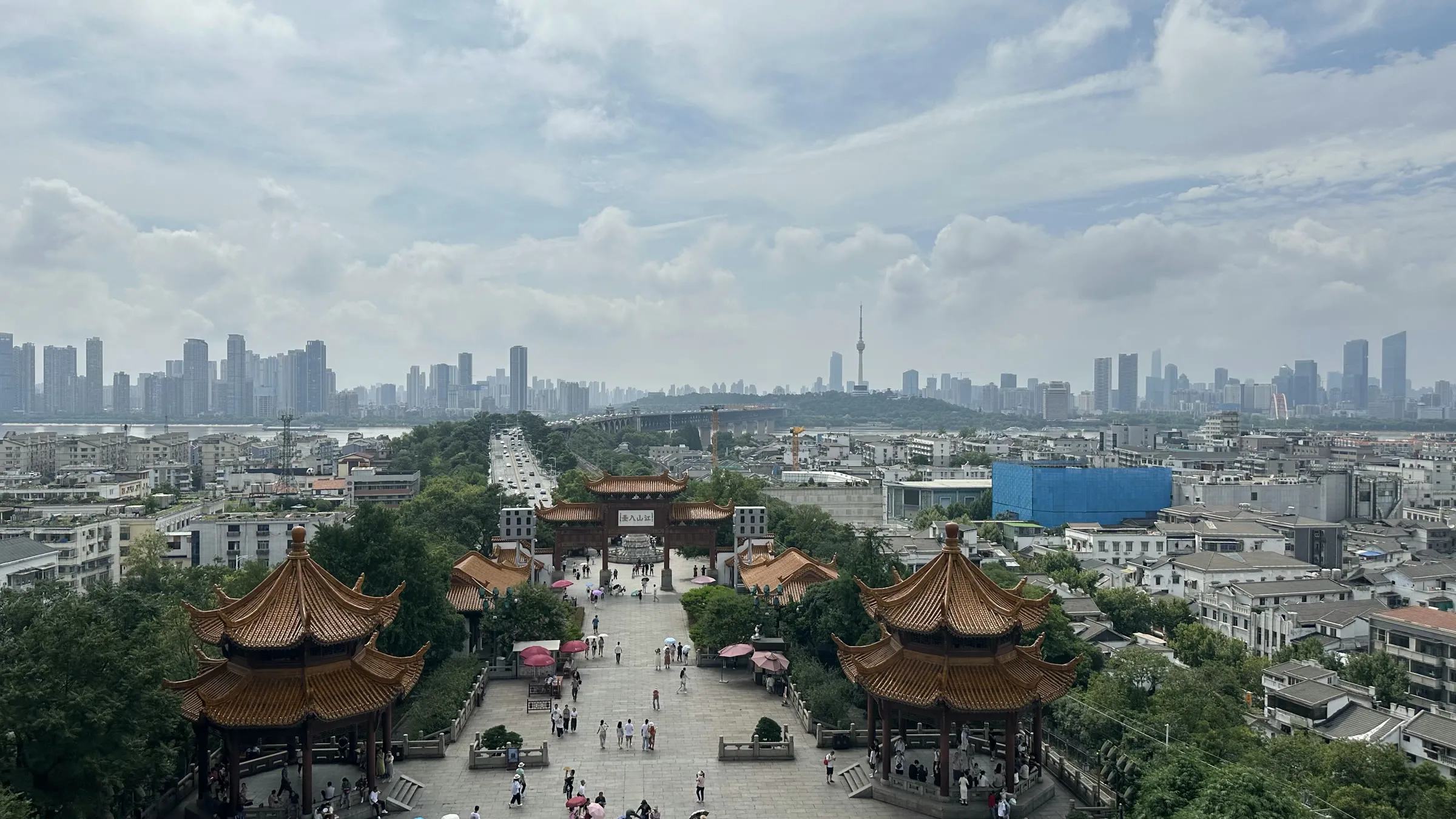
In Wuhan I walked around East Lake and the Hubei Provincial Museum beside it, climbed Tortoise Mountain for the view, went to the Yellow Crane Tower, saw the river and got around on electric mopeds. I talked to lots of locals, young and old, through translation apps, of course. I saw pandas for the first time at Wuhan Zoo, and tried 🍜 reganmian, the city’s hot dry noodles. The lady serving them warned me they’d be too spicy for me. “Don’t worry, I like spicy food.” A few bites in… I was crying, and she was laughing. And it’s the most humid place I’ve ever been.
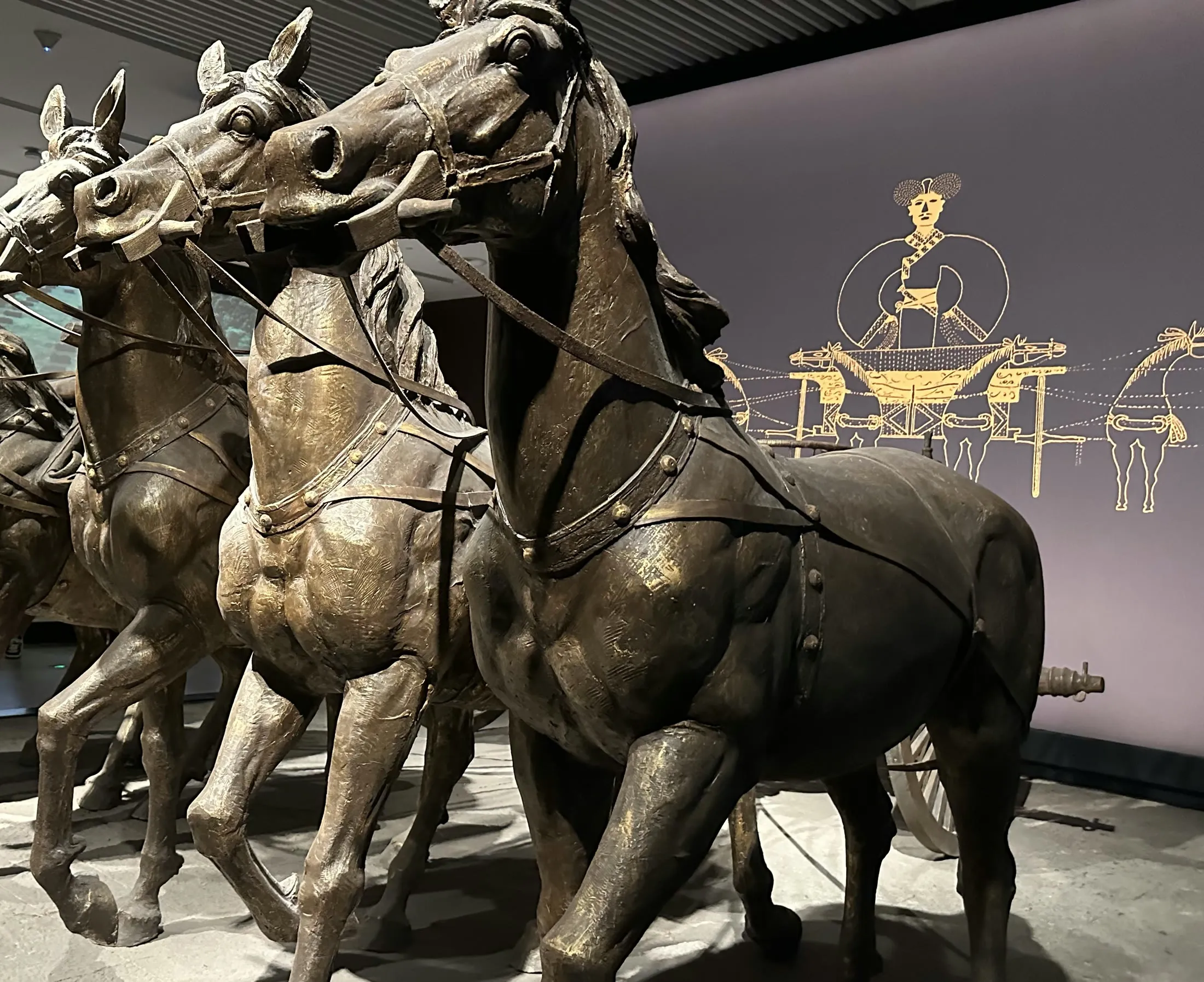
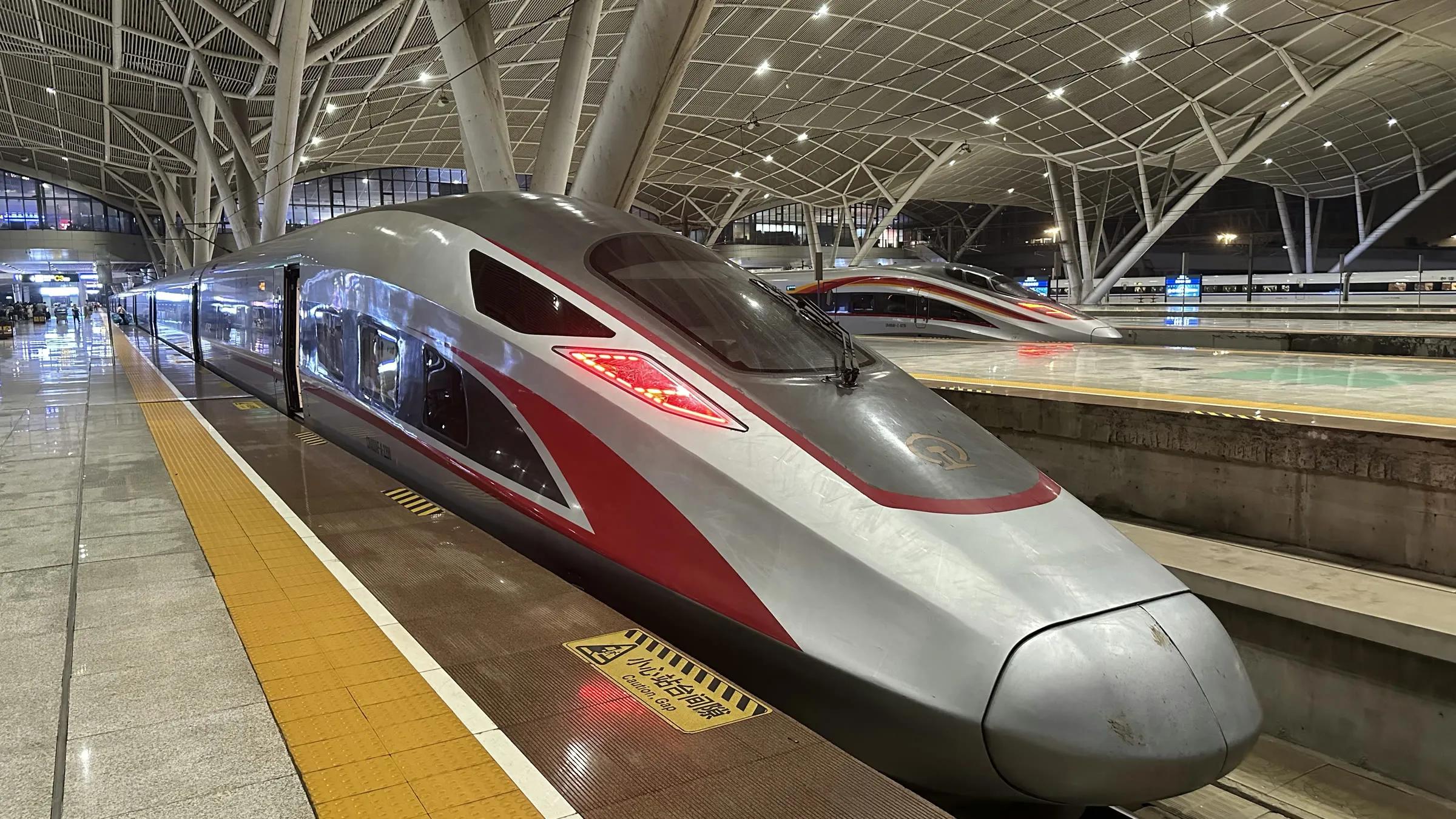
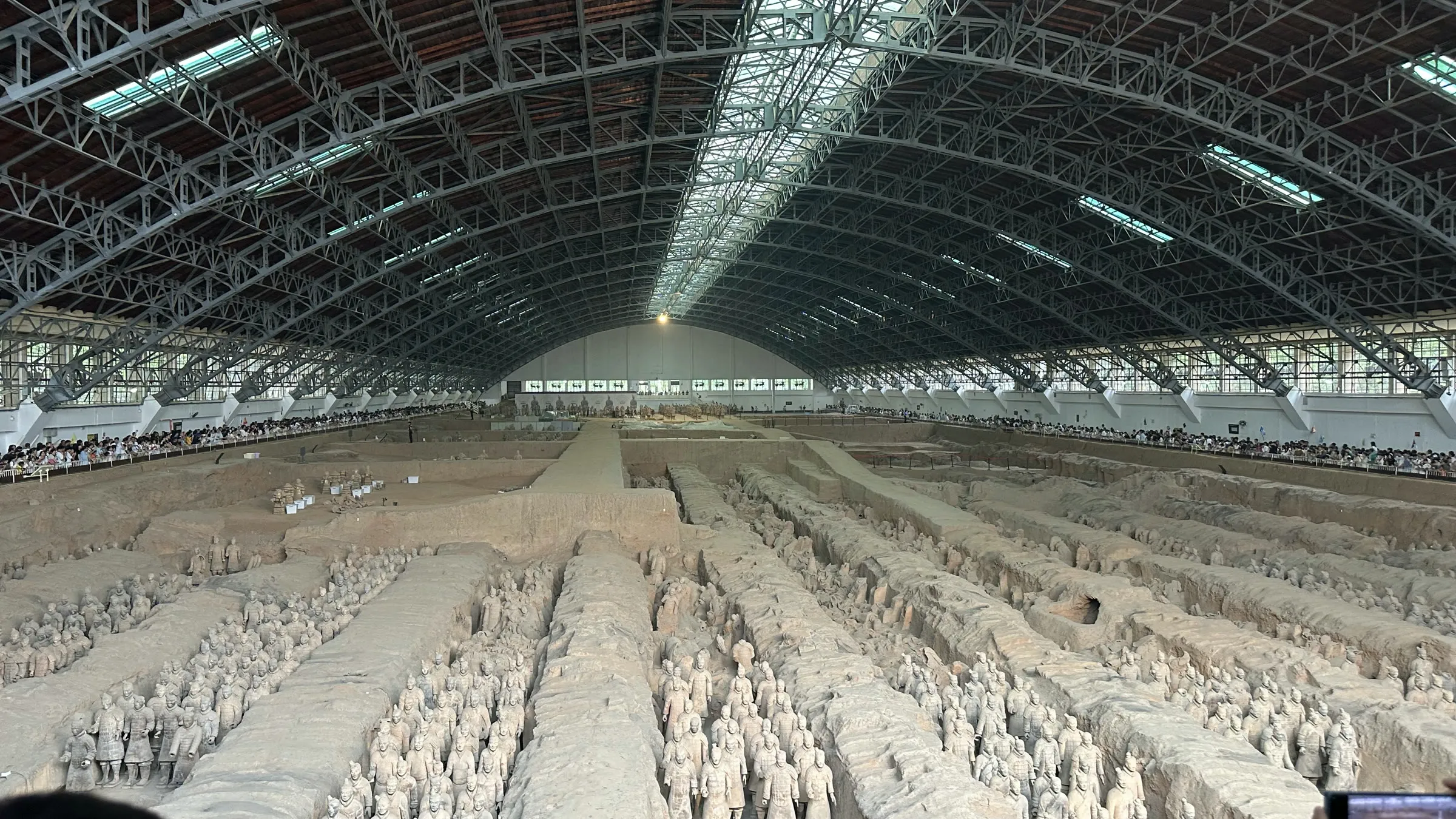
The weekend the programme ended, I took the train to Xi’an to see the Terracotta Army. The trains alone are something else.
I also ended up looking after the paperwork for Birmingham’s group, and on the last night I slid everyone’s certificate under their door.
It’s been the best month of my life. A lot of that is the people: a group of like-minded students from Aachen to San Diego, all looked after and with everything made easy for us. I could come back on my own one day, but it wouldn’t be this. Being home already feels like a downgrade.
Follow-ups
HUST has posted its own write-up of the closing ceremony.
2024 "Discover at HUST" Chinese Language + AI Robotics Summer Program Came to a Successful ConclusionHUST School of Mechanical Science and Engineering · en-mse.hust.edu.cnA friend I’d talked into applying for next year’s summer school sent me this. HUST’s page for the 2025 one has a highlights video of our whole programme.
2025 Application Guide for Chinese Language + AI Robot Summer SchoolHUST International Students Office · iso.hust.edu.cn